



Checking in for surgery
- After the usual paperwork is completed, you will be admitted to the cardiac surgery ward. Remember to pack at least some undergarments, pyjamas or a night gown, a bathrobe, slippers, and of course, toiletries.
- Before surgery, the cardiologist and surgeon will analyse all your heart exams to determine very precisely what type of operation to perform. They will then inform you and ask for your consent.
- Next, the anaesthetist will ask you about previous surgeries and any allergies you may have. Sometimes, additional tests are required to determine how well an organ is working or how your blood clots.
Right to informed consent
French legislation requires physicians and surgeons to inform patients regarding their health and surgery (Loi du 4 mars 2002). This information must be clear, honest, and appropriate and must address frequent or serious risks foreseeable under normal circumstances. Patients must also be informed of any therapeutic alternatives.
In heart surgery, informed consent is usually obtained in advance, during consultations with the cardiologist, surgeon, or anaesthetist. Even if consent is implicit, it must be given in writing, either through a document in the patient’s file or a signed consent form.
Preparing for surgery
- Skin is covered with natural microbial flora. During surgery, these microbes may enter the body through the incision and cause infections. Special steps are therefore required to eliminate skin flora.
- First, the skin is scrubbed with surgical soap and rinsed. Particular care is given to the armpits and the navel. The genitals must be particularly well cleansed. Second, a germicidal product is swabbed onto the skin with a sponge.
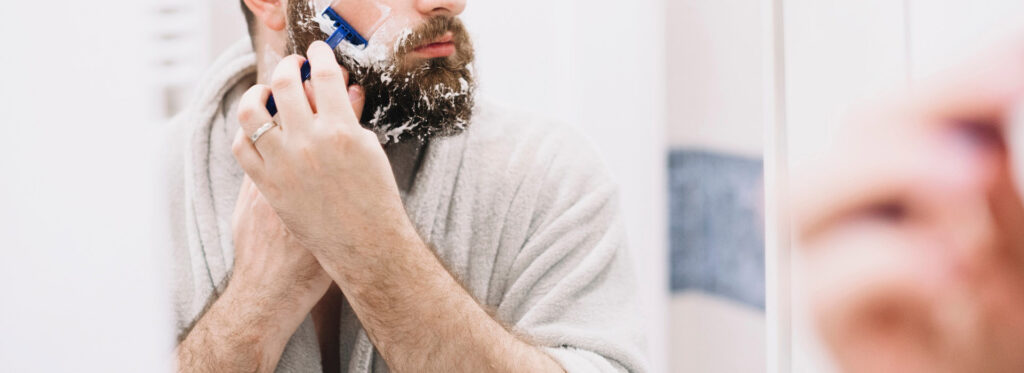
- Full preparation of the skin also includes shaving the surgical field, to facilitate the draping of the patient. Depending on the type of operation performed, the skin will be shaved the night before or the morning of surgery.
- Beards and moustaches must also be shaved off. Dentures, rings, watches, jewellery, and nail polish must also be removed.
- Once all these steps are completed, you are ready for surgery, given a sterile bed, and draped. The anaesthetist administers pre-medication to help you relax before undergoing anaesthesia.